


From the first ring to the recording.
The same cloud phone system routes every call the way your business works, then keeps a record of it.
The design rules that matter
IVR earns its place when it's short (three options beats seven — always), ordered by caller volume (the thing most people want is option 1), and escapable (0 for a human, every layer). It should answer instantly, sound like your business rather than a robot reading a spreadsheet, and route by skill — sales to closers, support to fixers, accounts to whoever won't promise a discount. We write and record the prompts with you; the menus we build have a rule baked in: if a caller hears more than two layers, the design has failed and we redo it.
Beyond the basic menu
Modern IVR does quiet clever things: time-aware routing (different menu at 2am), bank-holiday handling set once forever, queue announcements with honest wait estimates, and hand-off to an AI receptionist that answers questions a menu can't. On our systems it's included and edited in minutes — a menu you can change yourself before the Christmas closure, not a change request with an invoice.
Every seat, fully loaded.
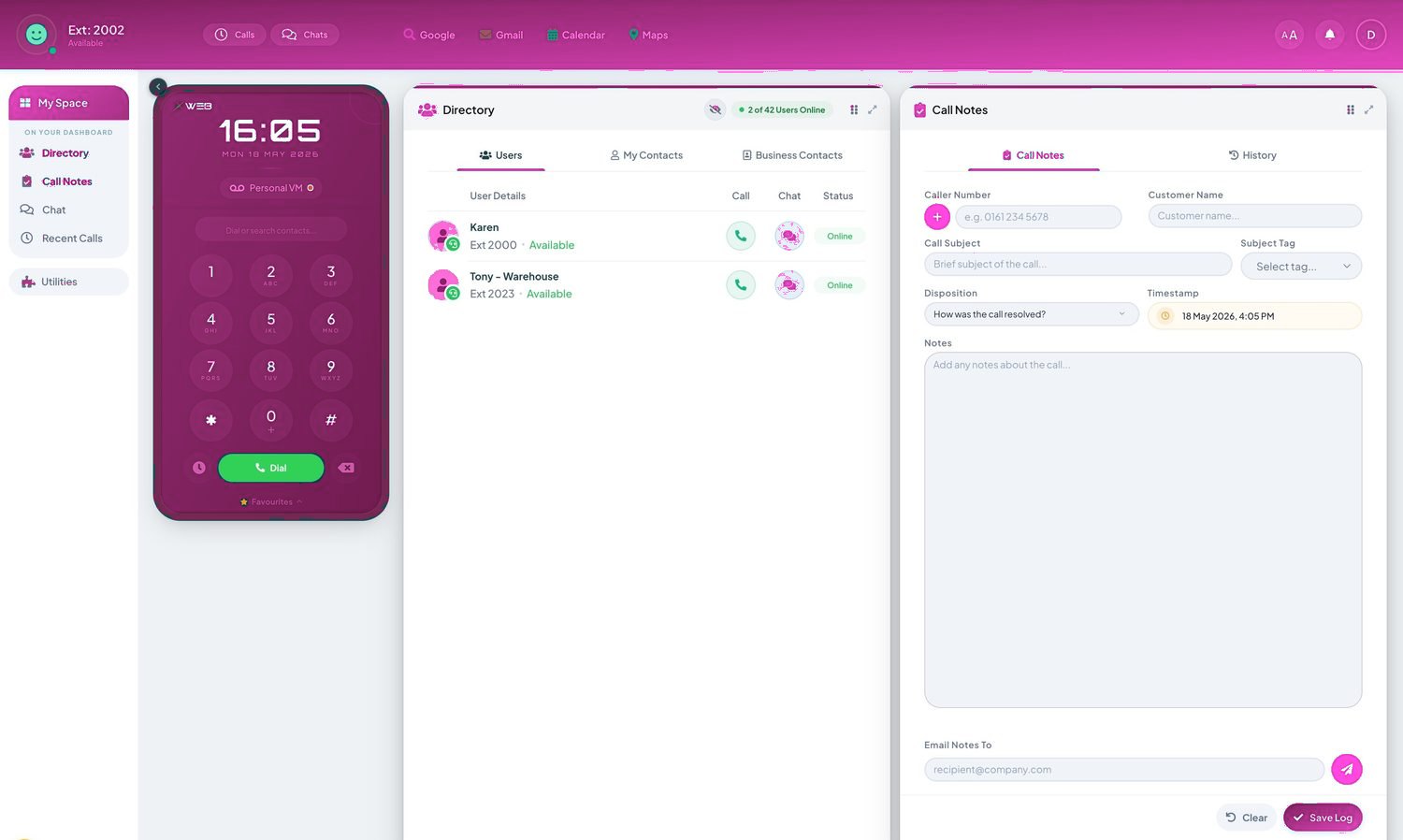
- Call recording, the Telexico Mobile App and Telexico Web UC included
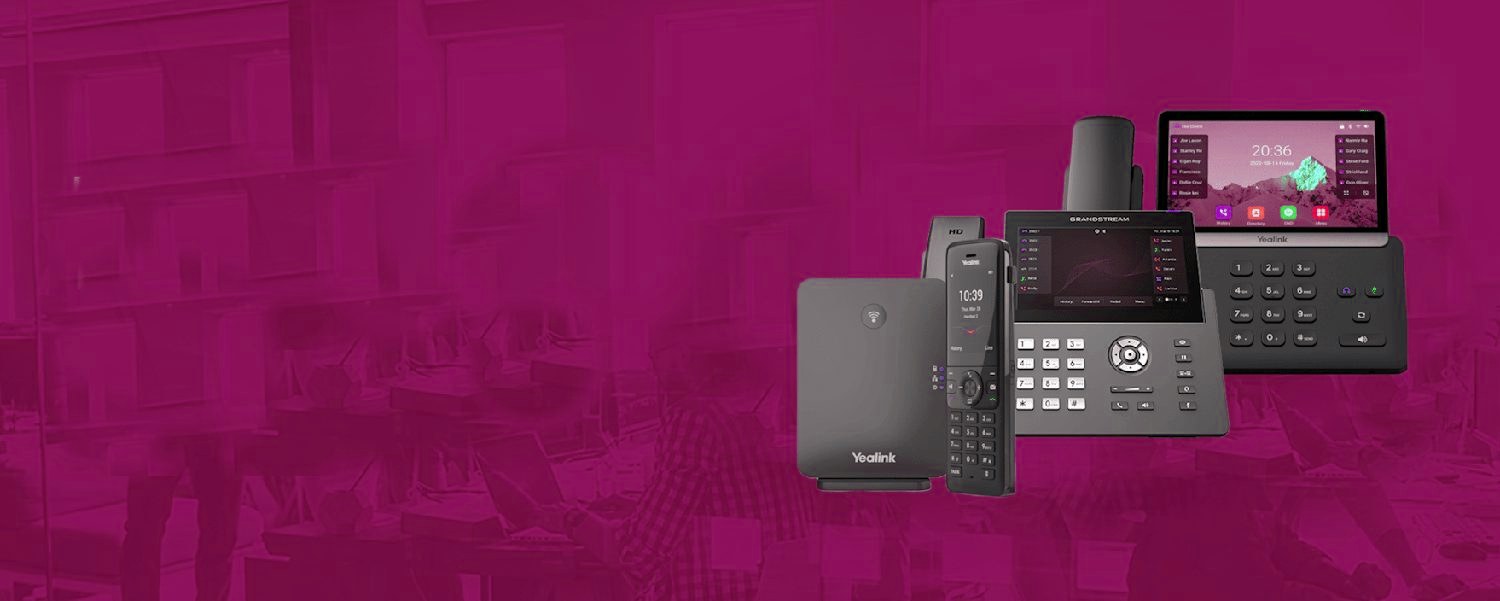
- Handsets pre-provisioned and shipped ready to plug in
- Moves, adds and changes from the portal, no engineer visit
Related: Business Phone Systems (pillar) · All features · Buyer's guide · Get a quote
Every seat, fully loaded.
Frequently asked questions
How many menu options should we offer?
Three or fewer per layer, biggest destination first, always a route to a human. If you need more, the structure needs rethinking — we'll help.
Can we record our own prompts?
Yes — your voice, professional voiceover, or high-quality text-to-speech. We script it with you either way.
Can we change the menu ourselves?
Yes — the portal makes edits self-serve in minutes, and we're a phone call away when you'd rather we did it.