


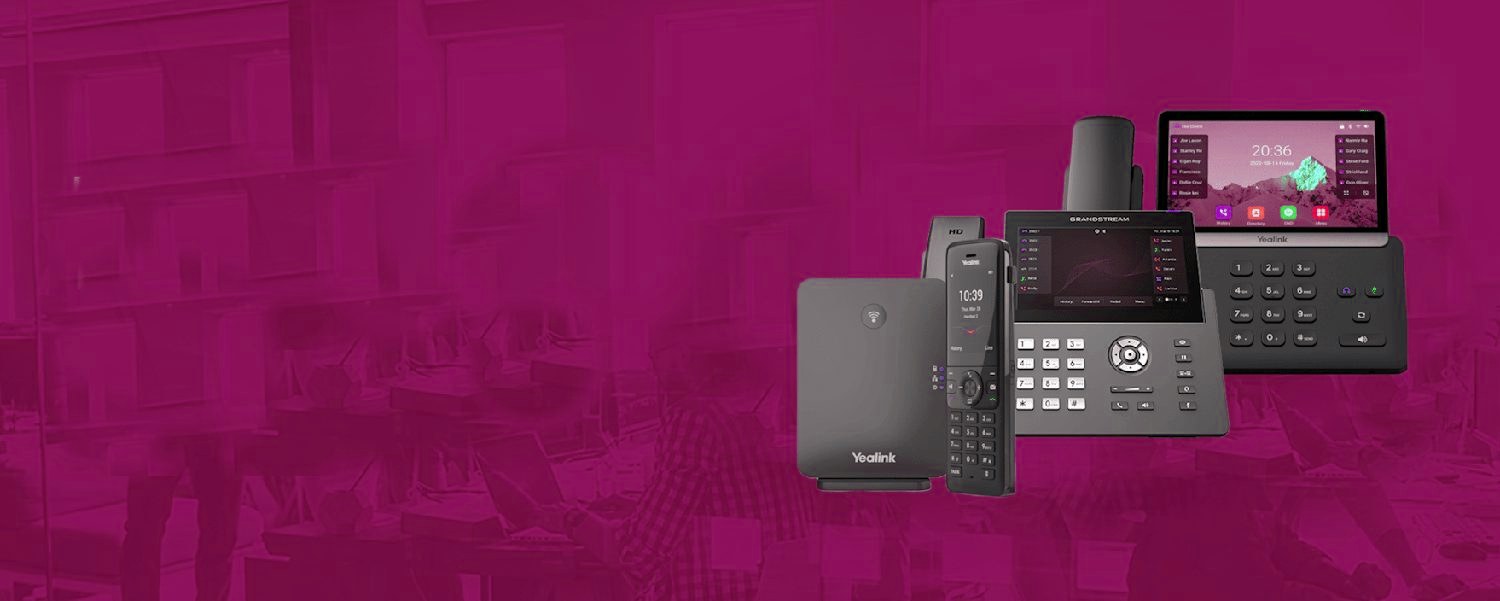
From the first ring to the recording.
The same cloud phone system routes every call the way your business works, then keeps a record of it.
The problem with phones bolted to a building
Every hybrid business has felt it: calls ring at empty desks, get diverted to personal mobiles (goodbye, professional caller ID; hello, staff numbers given to customers), and nobody can see who's answered what. The old model assumed people sat where the wires were. Cloud telephony breaks that assumption completely: the phone system lives in the cloud, and the 'phone' is an app — the same extension, the same number, the same transfer-to-a-colleague, on a laptop in a kitchen or a mobile on a train. Customers dial one business number and reach a business, wherever the business happens to be sitting today.
What good hybrid telephony looks like
The details that make it work: outbound calls present the business number (personal mobiles stay private), availability rules mean home workers ring during their hours and not after, calls transfer between home and office staff as if everyone shared a corridor, and reporting shows managers answered-and-missed across the whole distributed team — visibility that vanished the day everyone left the building. Add Teams Phone if your team already lives in Teams, and the phone system disappears into the tools they use anyway.
Every seat, fully loaded.
- Call recording, the Telexico Mobile App and Telexico Web UC included
- Handsets pre-provisioned and shipped ready to plug in
- Moves, adds and changes from the portal, no engineer visit
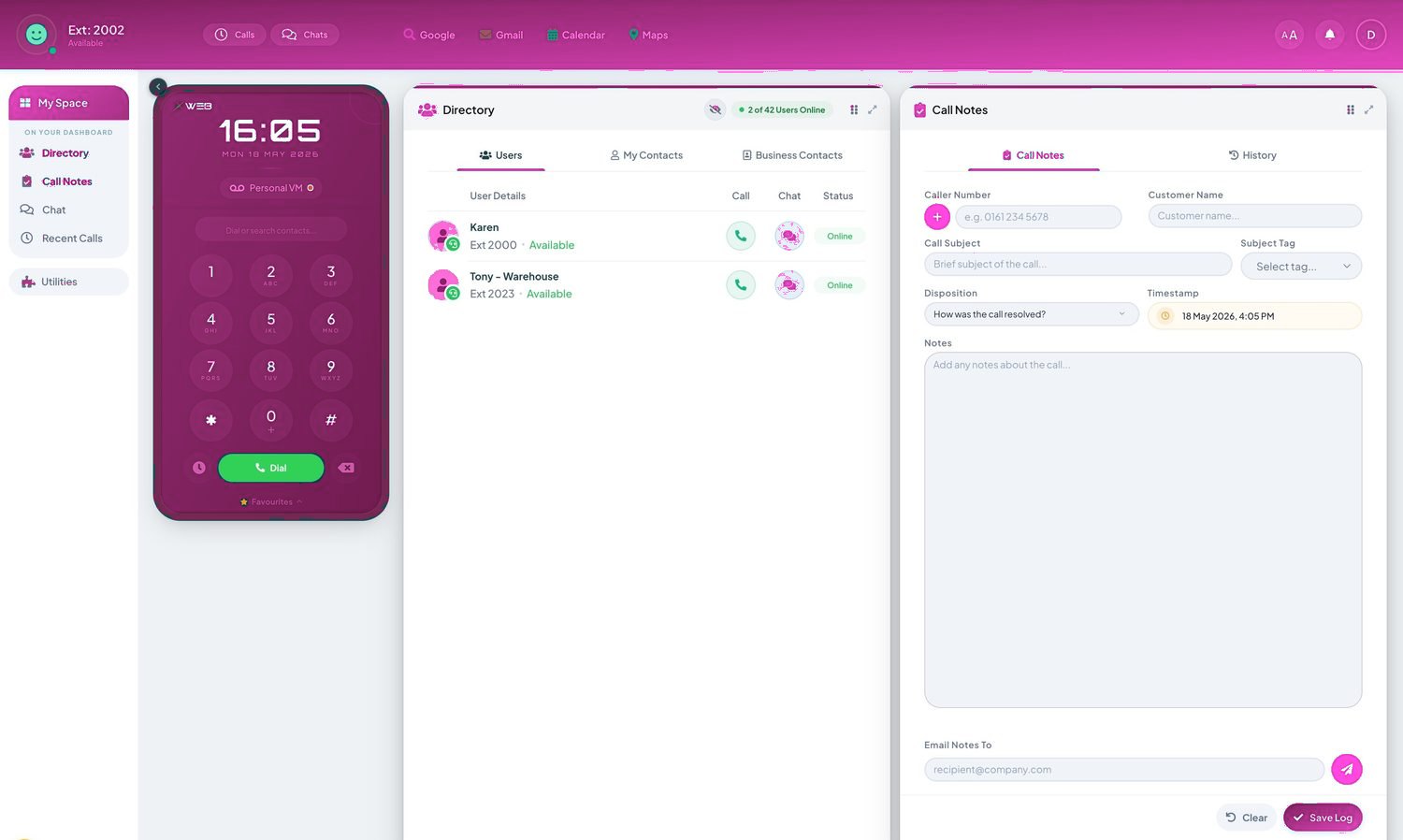
Every seat, fully loaded.
Frequently asked questions
Do home workers need special equipment?
No — the app on their existing laptop or mobile is the phone. A headset improves comfort; nothing else is required.
Can customers tell staff are at home?
No — same number, same greeting, same transfer experience. The business sounds like one place because, in the cloud, it is.
Can we mix office desk phones and home apps?
Seamlessly — desk phones for reception, apps for the mobile and hybrid crowd, one system underneath, one bill.