


From the first ring to the recording.
The same cloud phone system routes every call the way your business works, then keeps a record of it.
The fear, and the reality
Businesses stay in bad contracts for years because of one anxiety: 'we can't lose our number.' Reasonable — that number is on your van, your signage, two decades of invoices and every customer's phone. Here's the reality: UK number portability is a regulated right. When you switch providers, your numbers are ported — transferred whole — via an industry process between the old and new provider. You don't ask permission; the losing provider is obliged to release. And once your number lives on a cloud system, it detaches from geography entirely: move office across town or across the country, and your 01902 number comes along as if nothing happened.
How a clean port actually runs
The sequence that makes it boring (boring is the goal): the new provider submits the port with your account details exactly as the old provider holds them — mismatched paperwork is the number-one cause of delays, which is why we ask for a recent bill up front. A port date is agreed; your old service keeps working right up to that moment; the switch itself takes minutes; and the golden rule throughout is never cancel the old contract before the port completes — a cancelled number can be lost, a ported one cannot. Single numbers typically port in about a week; complex multi-line estates take a few. We've ported thousands; the horror stories almost always trace to someone cancelling first.
Every seat, fully loaded.
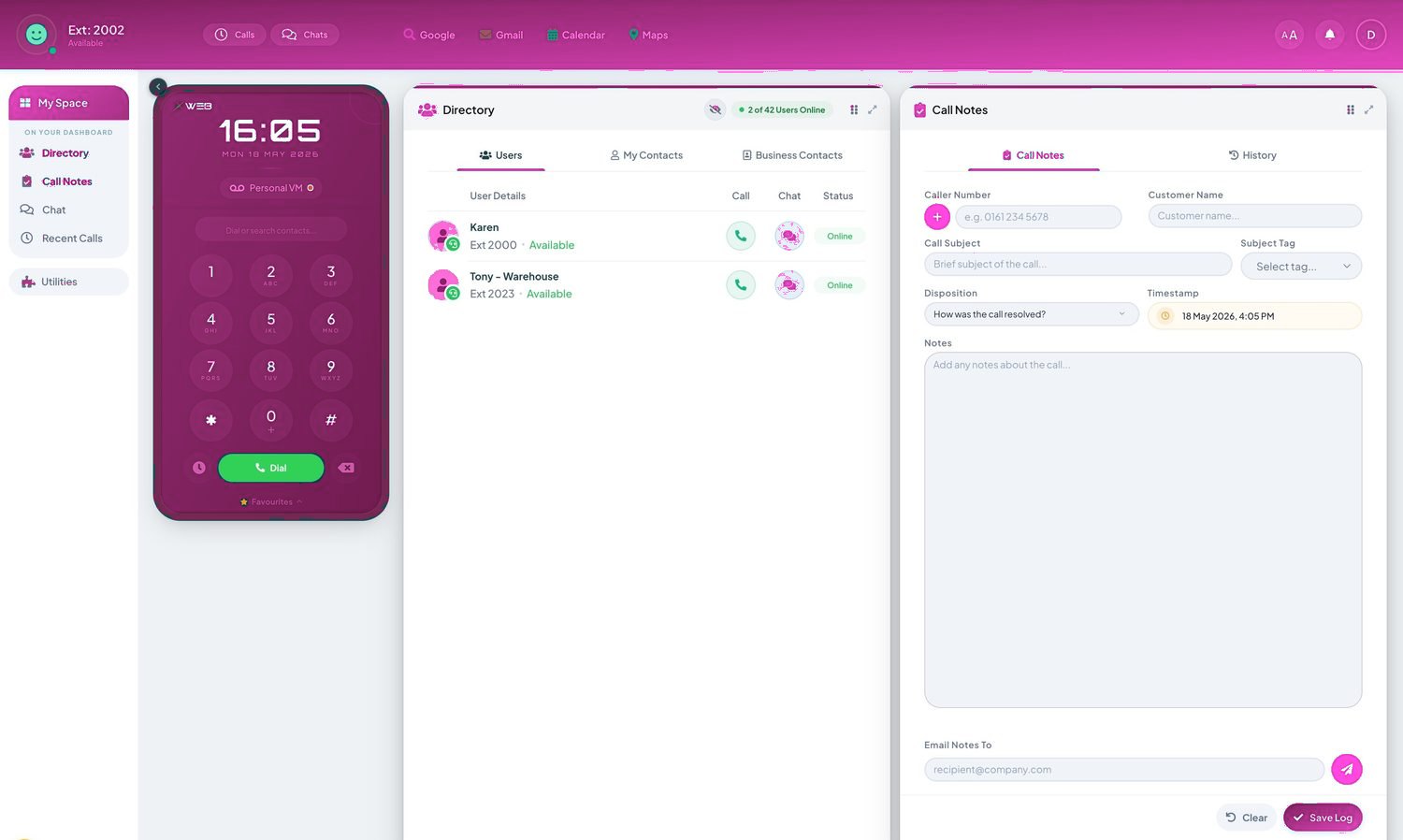
- Call recording, the Telexico Mobile App and Telexico Web UC included
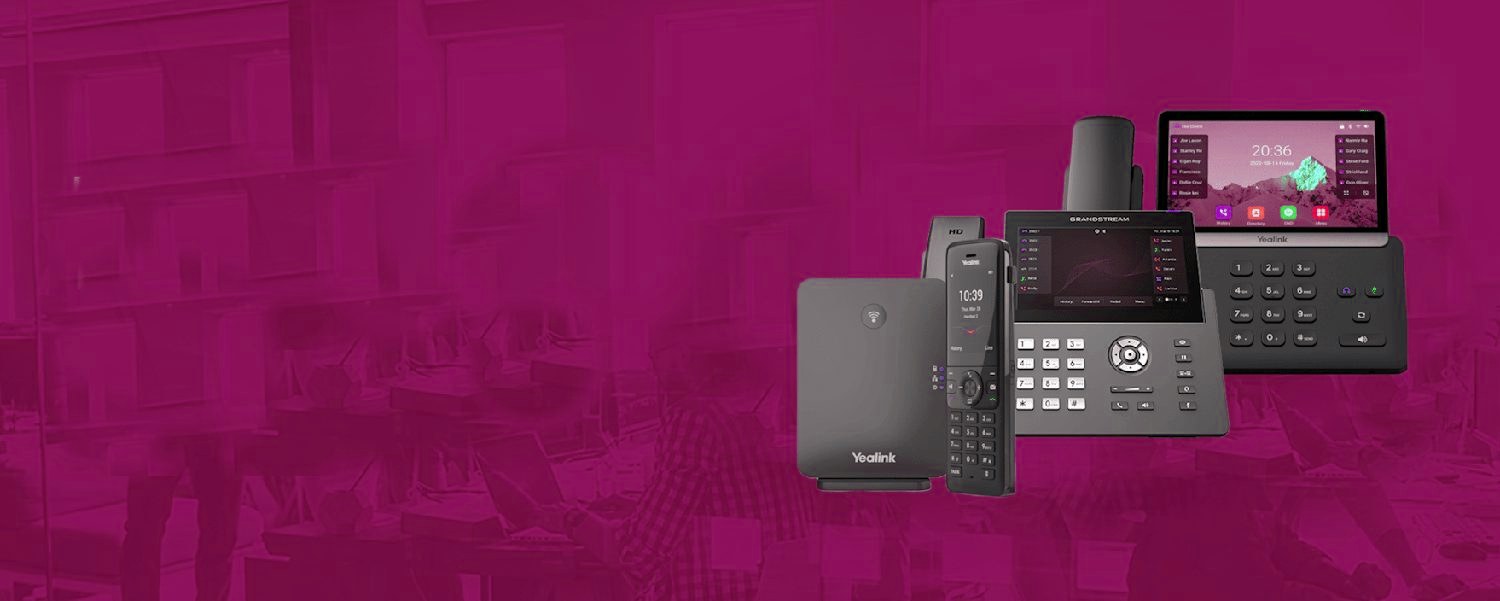
- Handsets pre-provisioned and shipped ready to plug in
- Moves, adds and changes from the portal, no engineer visit
Every seat, fully loaded.
Frequently asked questions
Can my old provider refuse to release my number?
No — porting is a regulated process. They can drag paperwork, which is why accurate account details matter, but the number is yours to move.
Does the number stop working during the port?
Only for the minutes of the switch itself — service runs on the old provider right up to port completion.
We're moving to a different town — can we keep the number?
Yes — on a cloud system your geographic number works anywhere. Wolverhampton number, Manchester office, no problem.