


From the first ring to the recording.
The same cloud phone system routes every call the way your business works, then keeps a record of it.
The patterns and when to use them
A hunt group rings a set of people by rule. Simultaneous — everyone's phone rings, first to answer wins: right for sales, where speed is money. Sequential — ring Amy, then Ben, then the manager: right for support tiers and small teams with a natural order. Round-robin / least-recent — share calls fairly so the person nearest the phone doesn't take everything: right for busy service desks and workload peace. Overflow rules complete it: unanswered after your chosen seconds → next group, mobile app, voicemail-to-email, or the AI receptionist.
Small details, big difference
Members join and leave groups from their own phones (lunch cover without IT tickets), the same person can sit in several groups, calls present with the group name so staff answer knowing it's a sales line, and reporting shows performance per group — which is where you discover support answers in 9 seconds and sales in 40, and fix it. Configured in minutes on our cloud systems; included, not itemised.
Every seat, fully loaded.
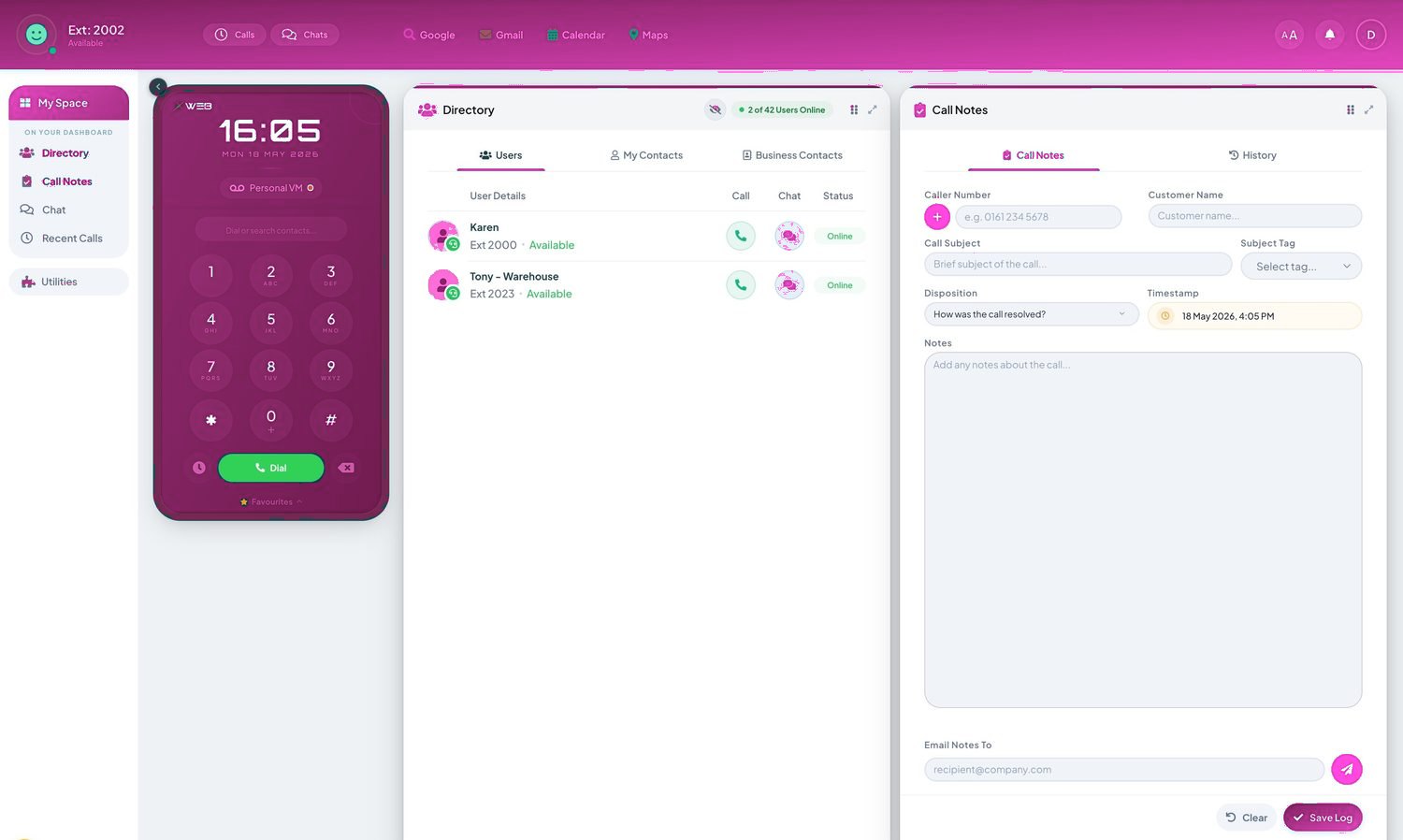
- Call recording, the Telexico Mobile App and Telexico Web UC included
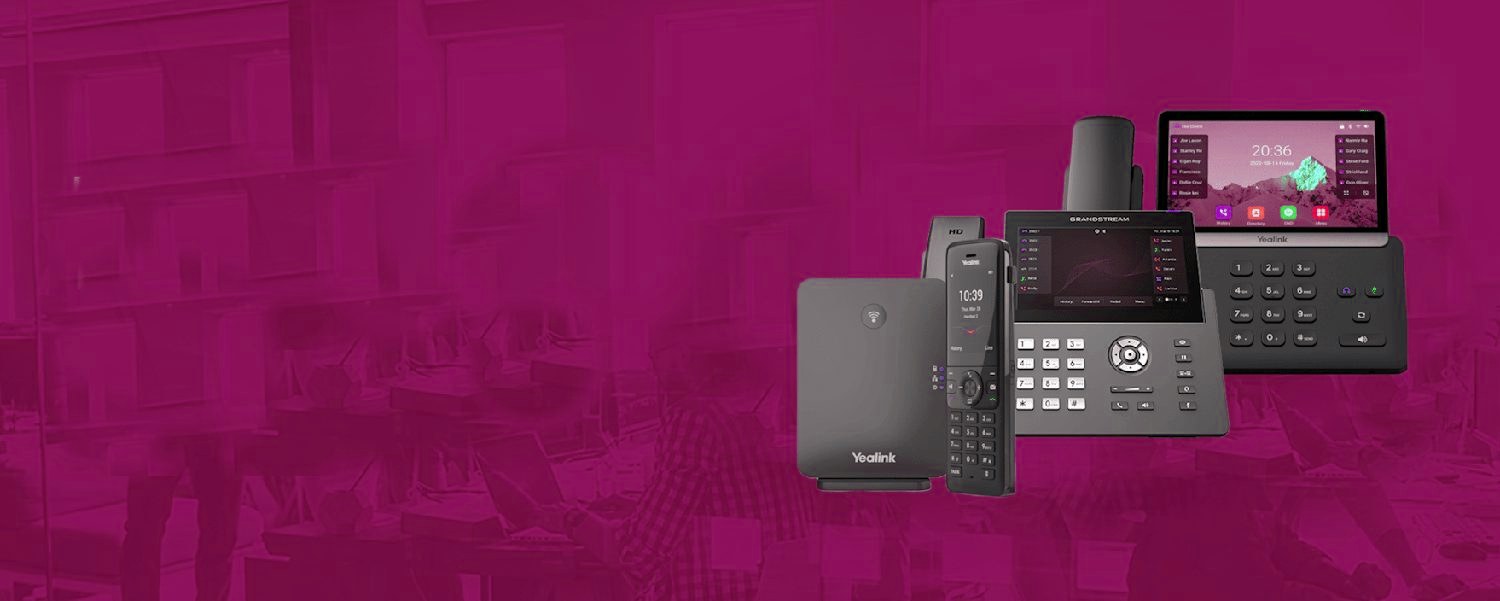
- Handsets pre-provisioned and shipped ready to plug in
- Moves, adds and changes from the portal, no engineer visit
Related: Business Phone Systems (pillar) · All features · Buyer's guide · Get a quote
Every seat, fully loaded.
Frequently asked questions
What's the difference between a hunt group and a call queue?
A group rings people by rule; a queue holds callers when everyone's busy, with music and position announcements. Busy teams usually want both — group behind queue.
Can staff opt in and out themselves?
Yes — from their handset or app. Cover, lunches and holidays without touching admin.
Can one person be in several groups?
Yes — a manager can back up both sales and support, and the caller display tells them which hat to wear when answering.