Dental phone modernisation — the typical project shape.
What a Telexico dental practice phone modernisation actually involves — from ISDN-to-VoIP migration through AI receptionist deployment and compliance recording. Illustrative of the kind of project we run for independent dental practices across the UK.
The phone problems UK dental practices typically hit
Dental practices share a recognisable pattern: reception under pressure handling appointment calls between clinical chair turnovers; significant after-hours and weekend missed-call rates from patients trying to book or reschedule; older ISDN or copper-PSTN phone systems running out of support; compliance recording requirements around clinical conversations; and the PSTN 2027 deadline forcing modernisation whether or not the practice was planning it. The typical practice we work with has 2-4 surgeries, 8-15 staff, and reception staff doing 3 jobs simultaneously.
Reception bottleneck during clinical hours
Reception trying to greet patients, handle inbound booking calls, manage payments and confirm appointments — all simultaneously. Inbound calls hit voicemail; patients hang up and try another practice.
After-hours appointment requests lost
Patients trying to book or reschedule outside surgery hours hit voicemail. Studies suggest fewer than 15% leave a message — most try the next practice on the list.
No compliance-grade call recording
Clinical conversations sometimes need a documented record. Older phone systems don't have built-in recording, or recordings sit on a PC that's not backed up properly.
ISDN switch-off forcing migration
BT switches off PSTN by January 2027. Many UK dental practices on ISDN or copper need to migrate before their exchange ceases the service — typically earlier than the 2027 deadline.
How Telexico designs the modernisation
The standard dental practice modernisation we deploy: hosted VoIP replacing ISDN with handsets at every reception position and surgery, with mobile/desktop apps for principals and practice managers; AI receptionist handling overflow during clinical hours and 24/7 after-hours booking capture; compliance-grade call recording with retention policies set to dental regulatory requirements (GDC guidance and GDPR); hunt groups routing patient calls across multiple reception staff; integration with the practice management system (Dentally, EXACT, Software of Excellence, R4) where the SaaS supports it; and a managed broadband connection sized for the practice's actual operation (typically 200-500Mbps FTTP plus 4G failover for resilience).
How the deployment ran.
Typical project shape: 5-7 weeks elapsed from initial site survey to cutover, with the practice running normally throughout. PSTN switch-off migrations are project-managed end-to-end — no DIY required from the practice team.
Week 1-2 — Discovery and design
Site visit; document existing ISDN setup (lines, DDIs, hunt groups, voicemail rules); confirm Openreach/CityFibre availability; design hosted VoIP tenant to replicate or improve current routing; agree commercial.
Week 3-5 — Provisioning and parallel running
Number porting initiated (long-lead 2-4 weeks); hosted VoIP tenant provisioned; IP handsets shipped; AI receptionist configured with practice knowledge (services, opening hours, booking workflow); soft launch on temporary numbers.
Week 6-7 — Cutover and monitoring
Out-of-hours number port (typically weekend); old ISDN ceased; staff training in person; Telexico engineer on standby; 2 weeks of close monitoring post-cutover for any teething issues.
What changes operationally
The observable shifts across dental practice modernisations we deploy follow a consistent pattern — though specific numbers vary by practice size and starting point.
Missed-call rate drops substantially
AI receptionist plus hunt groups typically reduces missed-call rate from 20-30% (legacy ISDN with single reception line) to under 8%. After-hours capture moves from near-zero to 100%.
Reception time freed for in-person care
AI handles routine appointment booking and rescheduling; reception focuses on in-person patient interaction, clinical coordination, and complex inbound. Typical 5-10 hours/week reclaimed per reception staff member.
Compliance recording standardised
Clinical and consent conversations recorded automatically (with appropriate consent prompts); retention policies set to GDC and GDPR requirements; searchable from admin interface when needed for audits or disputes.
The technical configuration
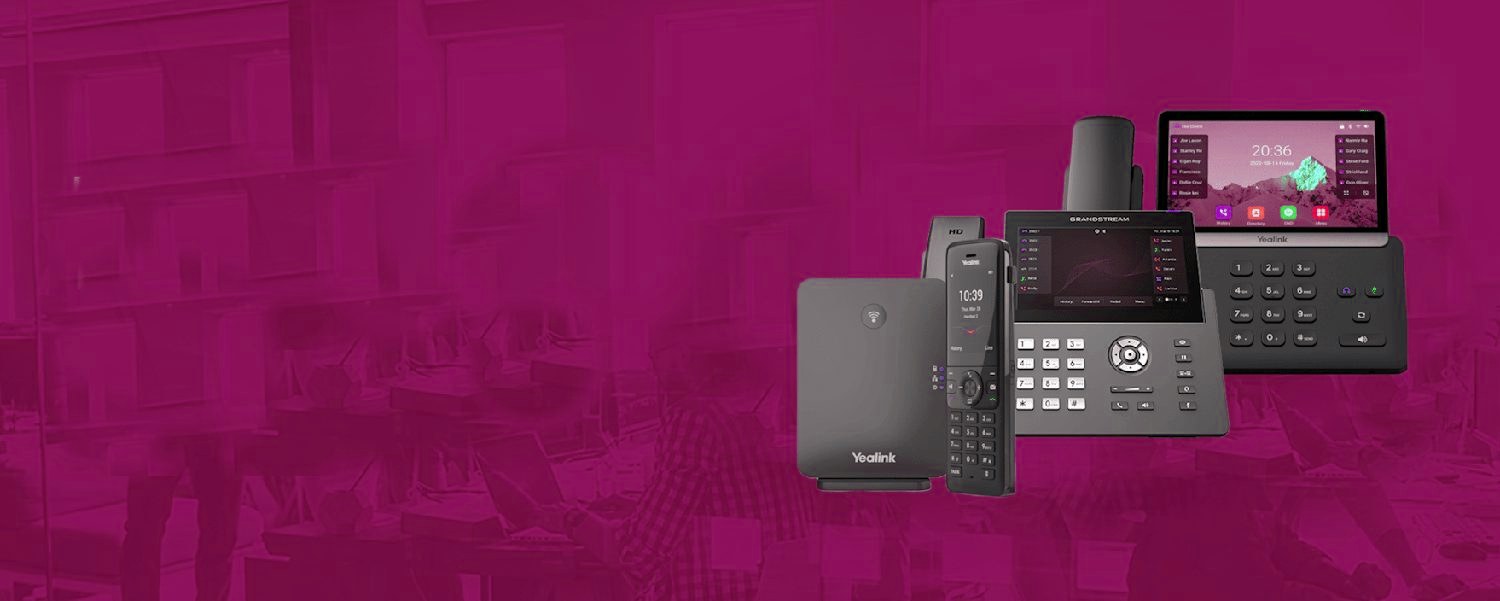
Standard dental practice modernisation stack: Openreach FTTP (typically 200-500Mbps symmetrical) or CityFibre equivalent as primary connection; 4G/5G failover via managed dual-WAN router; managed firewall with QoS prioritising voice traffic; hosted VoIP with IP handsets at reception, surgeries and back office (typically Yealink T-series); mobile and desktop apps for principals and practice managers; AI receptionist integrated with practice management system where supported; compliance call recording with 7-year retention default (adjustable); hunt groups configured for surgery hours, lunch overflow and after-hours routing; integration with calendar booking where the practice management system supports SIP click-to-call. Monitoring 24/7; SLA-backed response from Telexico's UK engineers.
What you actually get from Telexico.
Honest about scope. No aggressive sales tactics, no surprise renewal jumps, no tier-1 call-centre triage. Real UK engineers, transparent pricing, one provider relationship across the stack.
UK-based provider
Wolverhampton-headquartered. Engineers cover the West Midlands daily; UK-wide install via our partner network. Real UK engineer support, UK data residency, UK contractual relationship — not US-routed SaaS.
Real engineer support
When you call Telexico, you reach someone who can actually fix things. Response SLA backed by real engineering capacity rather than call-centre headcount. Named account manager for ongoing customers.
Free infrastructure review
Every engagement starts with a no-obligation audit of your current setup. Honest recommendation — sometimes that's "stay with your current provider after negotiation." We'd rather be honest than oversell.
Transparent pricing
What you sign for is what you pay — including renewal. No teaser pricing that jumps 30-100% at year two. No mid-contract CPI shock. Predictable multi-year cost from day one.
One provider, one platform
Broadband, hosted VoIP, business WiFi, AI Receptionist, 4G/5G failover, CCTV consolidated onto one Telexico relationship. Single bill, single support number, single engineer when something needs attention.
Migration project-managed
Switching to Telexico isn't DIY. We handle contract audit, notice timing, ordering, parallel running, cutover, old-provider close-out. Customer-visible disruption typically measured in minutes.
Want a similar review for your business?
Tell us what you have now and what's frustrating you. We'll come back with a tailored review of where we can simplify, consolidate or improve it — no fixed-package pressure, no hard sell.
You may also want to read
Restaurant connectivity upgrade
What a Telexico restaurant connectivity upgrade actually involves — from initial site survey through cutover to ongoing...
Hotel guest wifi installation
What a Telexico hotel guest wifi project actually involves. Illustrative of independent hotel deployments across the UK...
Warehouse network upgrade
What a Telexico warehouse network project actually involves. Illustrative of UK light-industrial deployments —...
What is Starlink for business
Starlink Business is SpaceX's commercial-grade satellite internet service for businesses. It uses a constellation of...
Leased line vs full fibre
Full fibre (FTTP) and leased lines are both fibre-optic business connectivity, but they're fundamentally different...
Free infrastructure review
Send us your current setup. We'll review what you have, what you pay, and where we can simplify.
Every seat, fully loaded.
Frequently asked questions
How long does the full dental phone modernisation typically take?
5-7 weeks elapsed from initial site survey to cutover. The long-lead items are number porting (2-4 weeks) and Openreach/CityFibre install if FTTP isn't already at the address. Active install work is concentrated at the start (configuration) and the cutover window (a few hours out-of-hours).
Will the practice phones be down during the migration?
No — parallel running prevents this. The new hosted VoIP runs on temporary numbers for 1-2 weeks while staff train and test; old ISDN stays live the whole time; cutover scheduled out-of-hours (typically a weekend) so number porting happens with minimal patient-visible disruption.
Do I have to use the AI receptionist?
No — though most dental practices we work with deploy it because the operational uplift is significant. AI handles routine booking calls and after-hours; reception focuses on complex inbound and in-person patient care. Can be deployed at modernisation or added later.
What about compliance and GDPR around call recording?
Standard recording configuration includes consent prompts at call start (configurable wording), GDPR-compliant retention policies (default 7 years for dental clinical records, adjustable), and searchable archive accessible only to authorised practice staff. Recordings sit in UK data centres.
Can it integrate with our practice management system?
Often yes — depends on the PMS. Dentally, EXACT, Software of Excellence and R4 have varying integration depth: click-to-call from patient records, automatic call logging, screen-pop on inbound calls where supported. We scope the specific integration during design.
What does a dental phone modernisation cost?
Variable. Indicative ranges: project fee £500-2,000 (depending on practice size and complexity); IP handsets £80-200 each; ongoing hosted VoIP £8-15 per user per month; AI receptionist £150-500/month; FTTP broadband £40-100/month. Often the all-in monthly cost is lower than the old ISDN setup it replaces. Real quotes against specific practice scope.
Can we keep our existing dental phone number?
Yes — number porting is standard. Existing UK landline number transfers across cleanly without any change to stationery, website, Google listing, or what patients dial. Porting typically 2-4 weeks lead time, coordinated cleanly with the cutover.
Want a similar review for your business?
This is the typical project shape Telexico runs. Send us your current setup and what's frustrating you — we'll review what you have today and tailor a project that fits. No hard sell, no fixed-package pressure.