The PSTN switch-off explained.
What the 2027 PSTN and ISDN switch-off means for your business — and the simple steps to be ready.


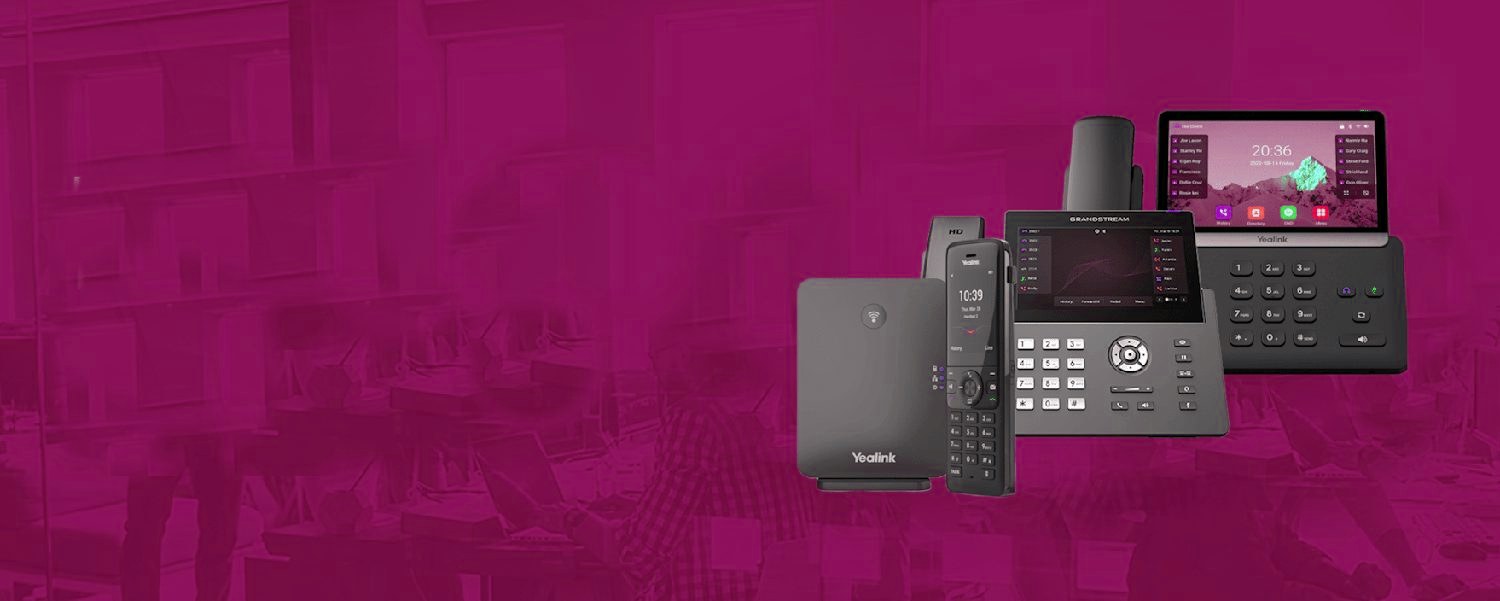
Audit first. New service in. Old lines off last.
We carefully plan and coordinate your migration to minimise disruption. Where technically possible, we can prepare and test your new phone system alongside your existing service before the final cutover. Any expected interruption or contingency requirements will be discussed in advance. Openreach has set 31 January 2027 as the closure date for the PSTN; Stop Sell has applied since September 2023.
What is the PSTN switch-off?
The PSTN (Public Switched Telephone Network) is the traditional copper-based phone network the UK has used for over a century. Openreach is retiring it, along with ISDN, by the end of January 2027. After that date, these analogue and digital lines will stop working and everything moves to internet-based (IP) calling.
It’s one of the biggest changes in UK telecoms history, and it affects far more than just phones.
Who and what is affected?
Any business still using analogue lines, ISDN, or an older on-premise phone system is affected. But it goes beyond phone systems: anything that quietly relies on a phone line is in scope — alarm and CCTV lines, door entry systems, lift emergency phones, card payment terminals, fax machines and some EPOS systems.
If you’re not sure what in your business depends on a traditional line, that audit is the first thing to do — and something we can help with.
Off copper before the deadline, not at it.
- A readiness audit that lists every line and what it carries
- The new connection in and tested before anything is switched
- Your numbers ported, the old lines ceased last
Key dates
The headline date is the end of January 2027, when the PSTN and ISDN are switched off nationally. In many areas, providers already stopped selling new analogue and ISDN lines, and some exchanges are being migrated earlier. The safe approach is to plan your move now rather than wait for the deadline.
How to prepare
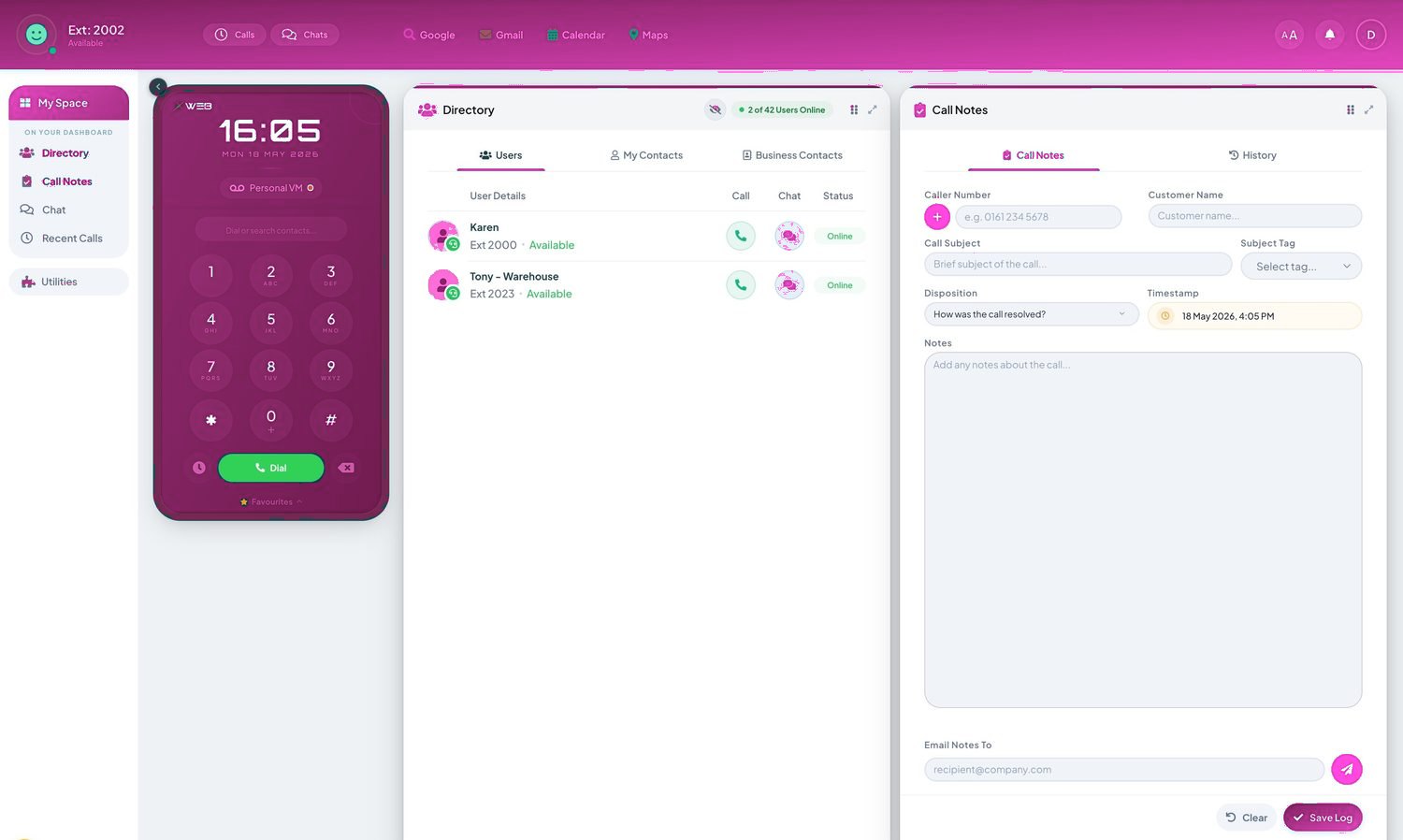
The fix is to move to internet-based calling — a hosted VoIP or cloud phone system — and to make sure any line-dependent equipment (alarms, lifts, door entry) is moved to a compliant alternative. We port your existing numbers so nothing changes for your customers.
Done properly, the switch is straightforward and usually cuts your bill. The businesses that struggle are the ones that leave it to the last minute.
Why this is good news
Although it’s a forced change, moving off the PSTN is a genuine upgrade: lower call costs, mobile and remote working, modern features like call recording and AI handling, and a system that scales with you. The switch-off simply brings forward a move most businesses would benefit from anyway.
Everything in your building that might be on the old network
The switch-off catches businesses out through the things nobody thinks of as "phones". Walk the building with this list: intruder and fire alarms (many signal to monitoring centres over analogue lines — the classic silent failure); lifts (the emergency line in the car is often analogue and legally required to work); door entry and gate systems; card machines (older terminals dial out over phone lines); fax machines and franking meters (yes, still out there); telecare and panic buttons in care settings; building management and monitoring kit (boilers, pumps, tank alarms that phone home); and finally the obvious ones — desk phones and the broadband itself if it's line-based (FTTC/ADSL). Anything on that list connected to a copper phone line needs a migration plan, and the alarm and lift lines need it first because their failure modes are safety-critical and silent.
What actually happens if you ignore it
Nothing dramatic on day one — that's the trap. The withdrawal is progressive: first you can't order new analogue services or make changes to existing ones ("stop sell" — already in force across most of the UK), then services degrade with fewer engineers and parts behind them, and finally lines are withdrawn. Businesses that wait get migrated in the last-minute crush: engineer availability evaporates, alarm and lift line specialists book out months ahead, and you migrate on the industry's timetable instead of your own — often discovering the alarm signalling issue during the outage rather than before it. The businesses that moved early got better pricing, calm engineering and a chance to upgrade rather than merely replace. The full withdrawal is expected by 2027; the sensible deadline is your own next quiet quarter.
The migration priority order
First: the safety-critical lines. Alarms, lifts and telecare — contact your monitoring and lift companies now and ask one question: "is our signalling switch-off ready?" They have digital replacements; the lead times are the risk. Second: the money lines. Card machines and anything payments-related — usually a straightforward terminal upgrade or a move to internet-based processing. Third: voice. Port your numbers to VoIP — this is the upgrade masquerading as a chore: lower bills, better features, done in days. Fourth: the connection itself. If your broadband is line-based, move to FTTP or SoGEA. We run all four strands as one project — a single audit, one plan, one calm cutover — which is precisely the moment most businesses discover the whole stack costs less than the old lines did.
How the switch-off lands differently by business type
Retail and hospitality: the exposure is payments and alarms — older card terminals dialling over phone lines, and intruder alarms signalling analogue. Both have clean digital replacements; the risk is discovering them during a failed transaction or an unmonitored break-in. Care settings: telecare, nurse-call and panic systems are the priority — safety-critical, sometimes regulated, and needing verified digital replacements with battery backup thought through. Involve your telecare provider before touching anything else. Offices and multi-tenant buildings: lifts and door entry are the classic blind spots — the lift's emergency line is often an analogue circuit nobody has thought about since installation, and it's a legal requirement that it works. Building managers should audit now, because wayleaves and landlord approvals add lead time. Rural businesses: long copper lines are being withdrawn in places where fibre hasn't arrived — which sounds like a trap but is actually where Starlink and 4G/5G quietly deliver a better connection than the copper ever managed. In every sector the pattern repeats: the phone part is easy; the things attached to the phone lines are the project.
31 January 2027. Ready long before it.
The switch-off, nationally and near you.
One readiness audit, wherever the lines are. The national guide explains the change; the local pages cover the exchanges and the businesses around you.
National guides
Local switch-off pages
Frequently asked questions
When is the PSTN switch-off?
By the end of January 2027, when the traditional PSTN and ISDN network is retired nationally.
What happens if I do nothing?
Your phones — and potentially alarms, lifts and card machines on old lines — will stop working. Moving in advance avoids that.
Will I lose my number?
No — we port your existing numbers to the new system.
Is moving expensive?
Usually it lowers your costs — cloud systems start from around £5 per user with no big upfront spend.
When exactly is the PSTN switch-off deadline?
The old analogue network is being withdrawn progressively, with full withdrawal expected by 2027 — and 'stop sell' restrictions already apply in most areas, meaning you can't order or change analogue services now. Your practical deadline is earlier than the headline date.
Will my alarm still work after the switch-off?
Not necessarily — analogue-signalling alarms can fail silently when lines go. Ask your monitoring provider 'are we switch-off ready?' this week; digital signalling replacements exist and lead times are the real risk.
Do I have to pay for the switch-over?
You pay for the replacement services — but VoIP plus fibre typically costs less monthly than the line rental and call charges you're leaving, so most businesses come out ahead from month one. The audit is where we prove it for your numbers.
Can I keep my phone number through the switch-off?
Yes — numbers port to VoIP intact. The switch-off changes the technology behind your number, never the number itself.
We're a care setting with telecare lines — anything special?
Yes: telecare and panic systems are safety-critical and need verified digital replacements with battery backup considered. Migrate these first, with your telecare provider involved — never as an afterthought to the phone project.